
Evidence guide
Does food photography increase orders?
A careful answer to whether better food photos can increase orders, what the evidence actually supports, and how restaurants should test visual improvements.
Better food photography can support higher ordering intent when images are clear, accurate, and attached to the right menu items, but teams should treat photo impact as a testable conversion lever rather than a guaranteed universal uplift.
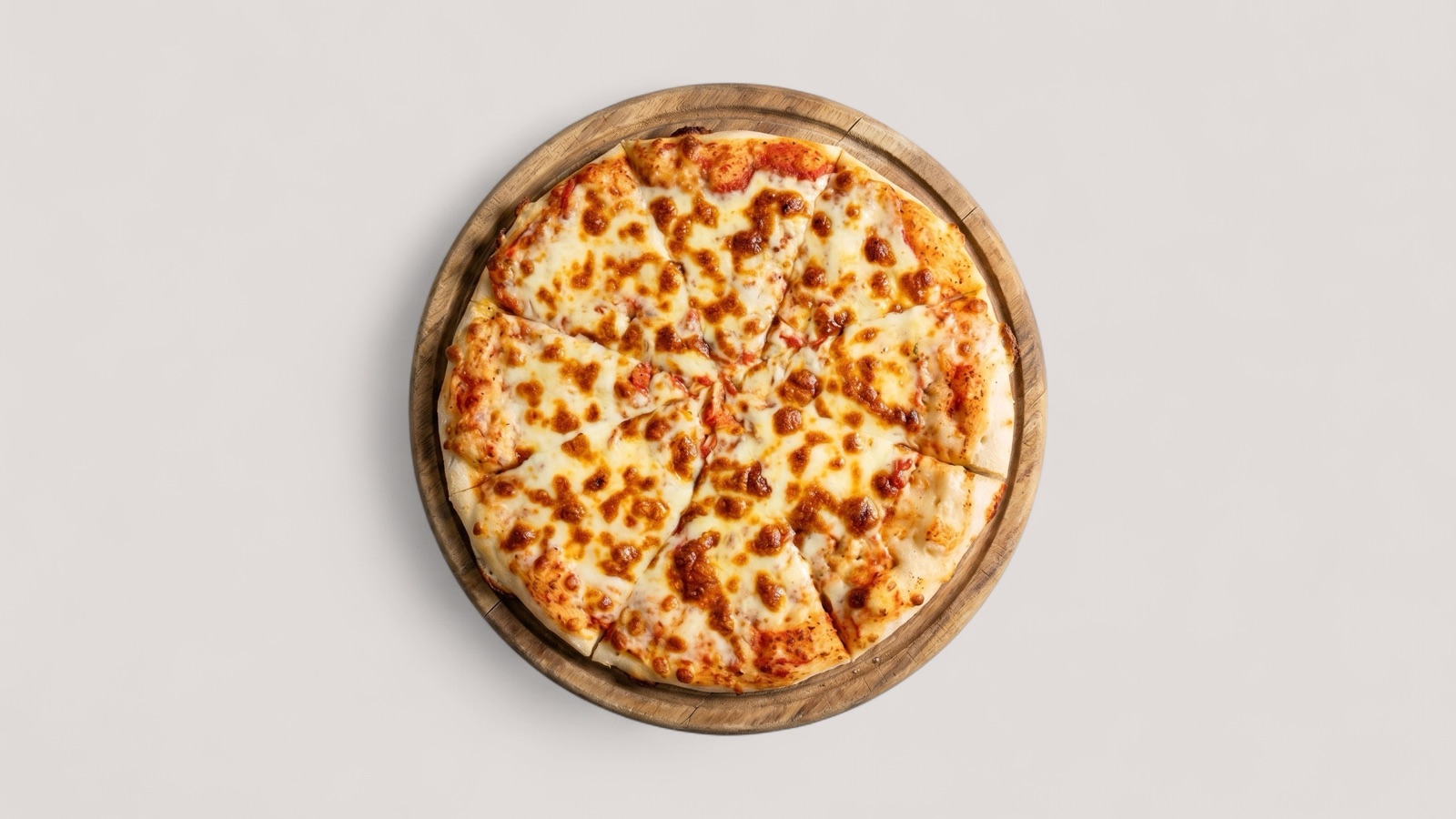
What the claim really means
The useful question is not whether any food photo increases orders in every context. The better question is whether a clear, accurate, channel-ready image helps customers evaluate a menu item faster and with more confidence than a weak or missing image.
DoorDash has publicly described menu photos as an influence on customer choice and has reported stronger sales outcomes for menus with item photos. That is a useful directional signal, but it should still be applied with operational discipline: restaurant category, baseline image quality, item popularity, pricing, and delivery radius all affect results.
- Treat photos as a conversion lever, not a standalone growth strategy.
- Compare photo impact at item or menu-section level.
- Separate the effect of adding photos from the effect of improving existing photos.
Why better photos can change ordering behavior
Food ordering is a visual comparison task. A customer scans dish names, prices, ratings, delivery time, and images. A strong photo can reduce uncertainty because it shows portion style, ingredients, texture, and presentation.
Weak images can create the opposite effect. If a dish is dark, cropped badly, blurry, or visually inconsistent with the rest of the menu, the image may make the item feel less trustworthy even when the food itself is strong.
How to test photo impact safely
The cleanest test starts with priority items: bestsellers, high-margin dishes, new launches, and dishes with missing or weak images. Improve a defined group, keep the rest of the menu stable, and track item views, add-to-cart behavior, conversion, and order share before and after the change.
Avoid broad claims from one short test. A photo refresh may improve some items and have no measurable effect on others. The operational win is learning which parts of the catalog are most sensitive to visual quality.
- Record the baseline before replacing images.
- Use accurate images that match the real dish.
- Track item-level changes instead of only total store revenue.
- Review the menu grid as a set after the refresh.