
Wolt photos
Wolt menu photo guide for restaurant teams
A practical guide to preparing menu photos for Wolt, including crop, clarity, item accuracy, AI enhancement, and batch upload workflow considerations.
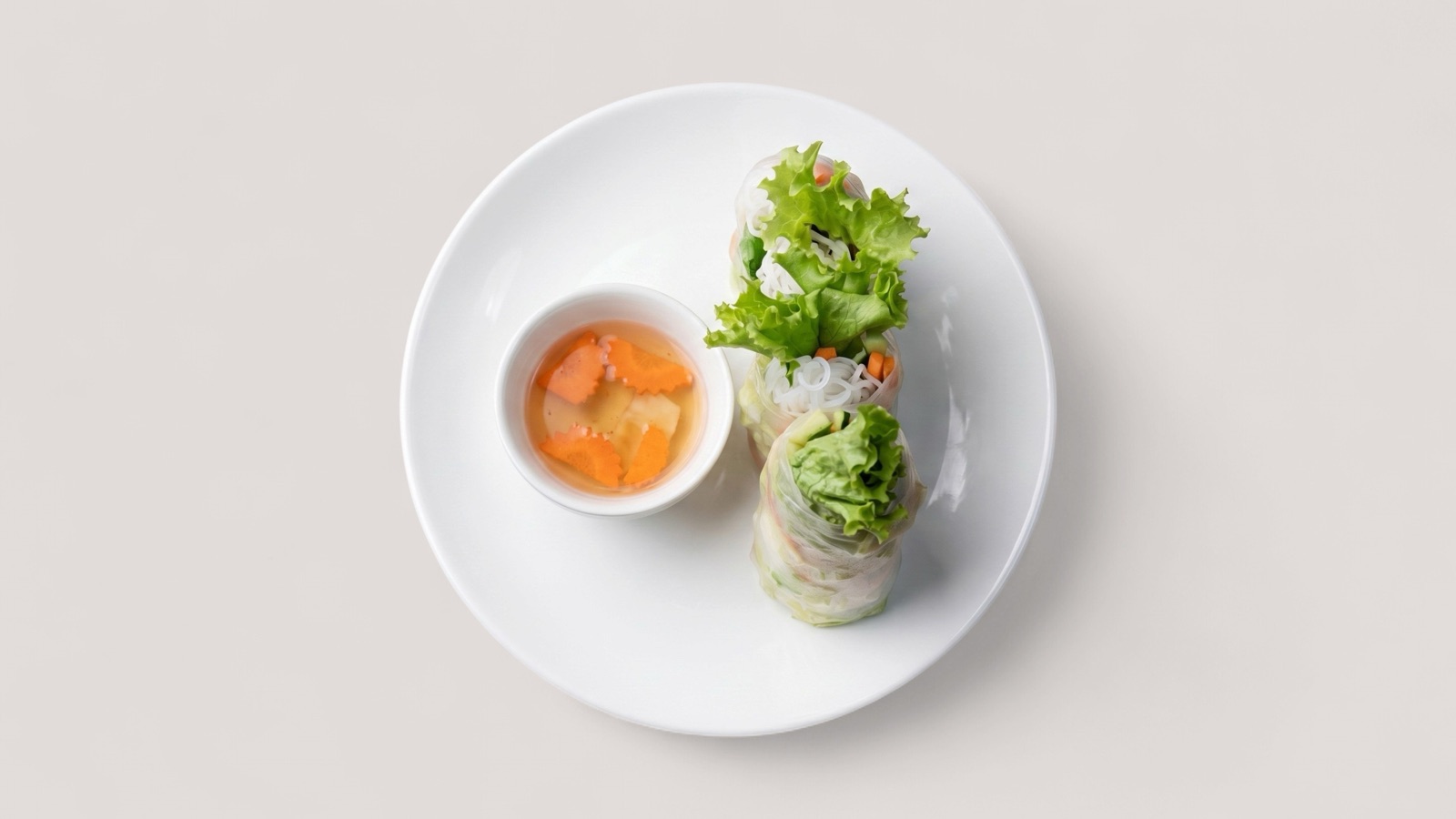
Wolt-ready menu photos should be horizontal, clear, centered, accurately matched to the item, and clean enough to pass review without confusing customers or cropping out the dish.
Where enhancement fits
Wolt includes tooling for improving uploaded images, but the source still matters. A blurry, cropped, or misleading original gives the enhancement workflow less to recover and can create a result that looks polished but remains unsuitable.
A better workflow is to audit first, enhance only the recoverable images, and keep rejected or inaccurate photos out of the upload queue. That keeps the restaurant from treating AI editing as a fix for source images that should be replaced.
- Enhance images with lighting, clarity, or background issues.
- Replace images where the dish is incomplete or not recognizable.
- Review each output against the real menu item before attaching it.
Batch preparation checklist
Restaurants adding many photos at once should prepare images before opening the merchant portal. File names, item matching, and visual consistency matter more when the work moves from one dish to a full menu set.
A full-menu batch should be checked as a grid. If half the menu is bright and the other half is dark, the customer sees an inconsistent restaurant even if each item technically passes review.
- Sort images by menu section before upload.
- Use consistent crop direction and dish scale.
- Attach each image to the exact offer it represents.
- Keep a master folder of approved source images for future refreshes.
Use Wolt as one export from a master image set
Restaurants should avoid editing one image only for Wolt and then rebuilding the same work for other channels. A better system approves a master image first, then creates Wolt, website, social, and ordering-page exports from that source.
That workflow keeps the dish representation consistent while still allowing each platform to receive the crop and file treatment it needs.