
Service guide
Menu photo editing service: what restaurants should expect
How to evaluate a menu photo editing service for restaurant websites, delivery platforms, ordering pages, and campaign assets.
A menu photo editing service should make existing dish images clearer, more consistent, and more channel-ready while preserving what customers will actually receive.
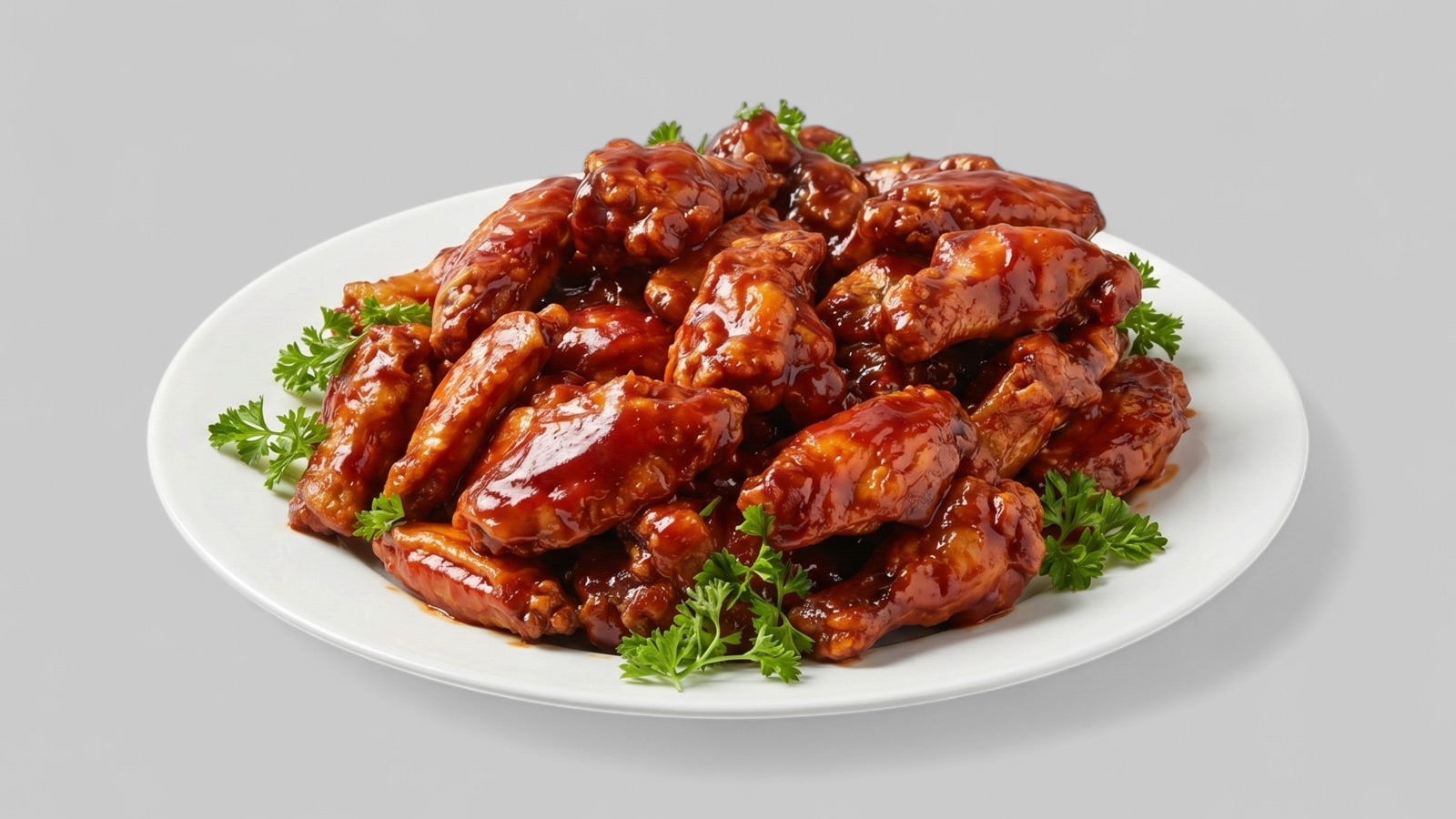
The service should protect accuracy
Menu photo editing is different from lifestyle retouching because customers make purchase decisions from the image. The edited photo should make the dish easier to evaluate, not turn it into an unrealistic version of the item.
A strong service improves the source photo while keeping ingredients, portion size, and item identity intact.
Ask for set-level consistency
Restaurants rarely publish one image in isolation. The edited output needs to sit beside other dish photos without obvious mismatches in brightness, crop, scale, or background style.
Set-level review is especially important for delivery menus, where customers scan many item cards quickly before deciding what to order.
- Consistent crop ratios for menu sections.
- Similar brightness and contrast across items.
- No misleading ingredients or props.
- Exports prepared for each publishing channel.
Where Splentify helps
Splentify gives restaurants and food teams a faster path from existing photos to cleaner, menu-ready outputs. It is useful when a traditional manual editing queue is too slow for menu refreshes, delivery launches, or recurring campaign work.
Teams can use it as a repeatable enhancement workflow, then review the outputs before sending images to customer-facing channels.
The service-style workflow is strongest after an audit, because the team already knows which dishes should be published, enhanced, replaced, or held for a new source image.
That keeps editing effort focused on images with real commercial upside.